In January 2022, Rotech Subsea undertook a major operational campaign at the Prinses Amalia Wind Park in the Dutch sector of the North Sea, performing cable post-lay trenching with its TRS1 jet trencher to bury subsea cables in medium sand at water depths of approximately 20–25 metres.
In 2021, Jan De Nul Group carried out cable installation works for the operational Prinses Amalia Offshore Wind Farm in the Netherlands, with its cable installation vessel Isaac Newton working on the project’s subsea power cables as part of the company’s offshore energy activities.
In June 2008, after completion of cable installation and turbine commissioning, operations of the Princess Amalia project commenced, marking the start of full commercial operation of the 150 kV export cable and associated offshore/onshore grid connection transmitting the wind farm’s 120 MW output to the Dutch grid.
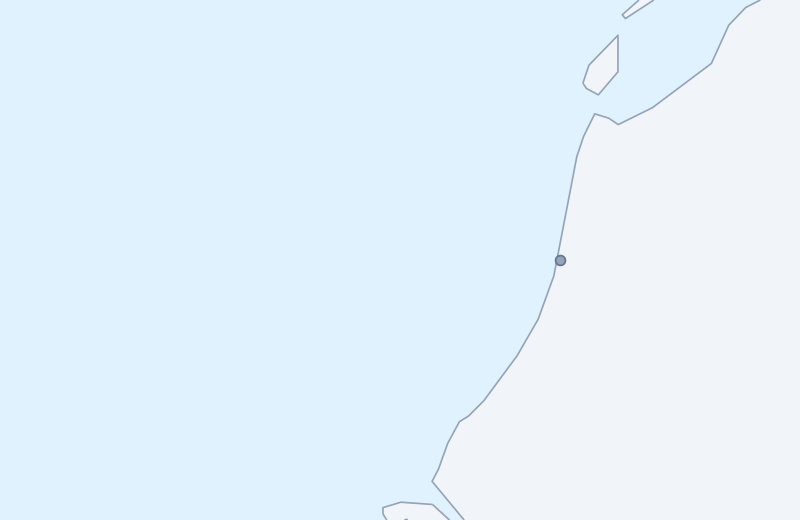
By December 2007, the 150 kV export cable system connecting the Princess Amalia (Q7) offshore high-voltage substation to shore had been energised, and the wind farm exported its first power to the Dutch grid via the 28 km subsea and 7 km onshore transmission cables landing near Wijk aan Zee.
Installation of the 150 kV subsea export cable system for the Princess Amalia Offshore Wind Farm was completed in June 2007, when Van Oord installed the 150 kV sea cables that form the approximately 28 km offshore export link from the Q7 offshore substation to the shore near Wijk aan Zee.
Onshore construction for the Princess Amalia (Q7) grid connection began in July 2006, with early works including installation of onshore sea cables between the sand dunes on the Dutch coast and the Velsen substation to link the offshore wind farm to the national grid.
On 11 July 2006, one day after the Q7 (Princess Amalia) offshore wind project was transferred to Q7 Holding, a term sheet for non‑recourse project financing was signed, securing debt-based project finance for the development, including the 150 kV offshore export sea cable and associated onshore export cable connection. The project was financed on a fully non‑recourse basis, with the major share of investment provided as loans by Dexia Bank, Rabobank and BNP Paribas as mandated lead arrangers, alongside support from Danish state‑owned export credit agency EKF (Eksport Kredit Fonden).
On 10 July 2006, the Princess Amalia (Q7) offshore wind project, including its offshore high-voltage substation, export seacable and export onshore cable, was formally transferred from original developer E-Connection to the Q7 Holding joint venture of Econcern and Energy Investment(s) Holding, consolidating ownership of the generation and export transmission assets in the new project company.
Q7 Holding acquired from E-Connection (100%)
In October 2004, Econcern and Energy Investments Holding signed an agreement to take over the rights to the Princess Amalia (Q7) offshore wind project and established the project company Q7 Holding to develop the wind farm and its associated transmission assets, including the offshore high-voltage substation and the export sea and onshore cables in the Dutch North Sea.
Licence: Permission to maintain the offshore land cables
In spring 2002, authorities issued a specific permission covering the maintenance of the offshore land cables for the Princess Amalia (Q7) project, authorising ongoing works on the export cable system linking the offshore wind farm to the Dutch onshore grid.